
The 3 Pillars of Smarter Training for Lasting Fitness Results
Beyond the Reps: The Three Pillars of Smarter, More Effective Training
We’ve all seen it. The person in the gym, week after week, doing the same routine they found in a magazine or saw on social media. They work hard, they sweat, but their progress stalls, and frustration sets in. In a world saturated with fitness information, it’s easy to get lost in a sea of generic workout plans. The truth is, effective, long-term results don't come from a cookie-cutter template. They are built on a foundation of smart principles. Here at Inspire Health & Fitness, we believe that transforming your health is about more than just showing up; it’s about a thoughtful, individualised approach. This approach rests on three crucial pillars that separate a good program from a truly great one: Assessment, Program Design, and Coaching.
The First Pillar: Smart Assessment – Know Your Starting Point
You wouldn’t start a long road trip without checking your car's oil, tyres, and fuel level. So why would you begin a fitness journey without first understanding your body's unique starting point? A thorough assessment is the critical first step that informs everything to follow. It’s not about judging your current fitness level; it's about gathering the vital information needed to create a safe, efficient, and effective roadmap for your success.
Movement Screening
Before we even think about adding weight, we need to understand how you move. A movement screen helps us identify your unique movement patterns, strengths, and potential limitations. Can you squat to full depth comfortably? Do you have restrictions in your shoulder mobility that might make overhead pressing an issue? By identifying these things early on, we can address them directly, reduce the risk of injury, and ensure that the exercises you perform will actually benefit you. It’s the difference between building on a solid foundation and building on sand.
Goal Setting and Lifestyle
What do you really want to achieve? "Getting in shape" is a vague wish, but "losing 5kg of body fat in 12 weeks so I have more energy to play with my kids" is a powerful, measurable goal. The assessment phase is where we dig deep into your specific objectives. We also look at the bigger picture: your sleep quality, stress levels, nutritional habits, and past injury history. All of these factors play a massive role in your ability to train, recover, and ultimately, succeed.
The Second Pillar: Intelligent Program Design – Your Personal Roadmap
Once we have the crucial data from your assessment, we can begin to build your plan. This is where science meets application. An intelligent program is far more than just a random list of exercises; it's a carefully constructed plan designed to guide you from where you are now to where you want to be, applying proven training principles along the way.
The Principle of Progressive Overload
This is the cornerstone of all physical progress. In simple terms, for your body to adapt and get stronger, you must consistently introduce a challenge that is slightly greater than what it's used to. This doesn’t always mean lifting heavier weight. Progress can come in many forms: performing more repetitions with the same weight, reducing your rest periods, improving your technique, or increasing the training frequency. A well-designed program strategically manipulates these variables over time to ensure you never hit a plateau.
Strategic Exercise Selection and Balance
The exercises in your program should be chosen for a reason. They must align directly with your goals and respect your current abilities as identified in the assessment. A beginner looking to build foundational strength will benefit more from a goblet squat than a complex barbell back squat. Furthermore, a great program creates balance. It includes movements that cover all the bases—pushing (like push-ups), pulling (like rows), squatting, hinging (like deadlifts), and core work. This holistic approach builds a strong, resilient, and functional body, not just "mirror muscles."
The Third Pillar: Expert Coaching – The Art of Application
A brilliant plan is useless without proper execution. This is where the human element of coaching becomes indispensable. A coach is the person who bridges the gap between the program on paper and the performance on the gym floor. They are the guide who ensures every movement is performed with purpose, safety, and maximum effectiveness.
Mastering the Movement
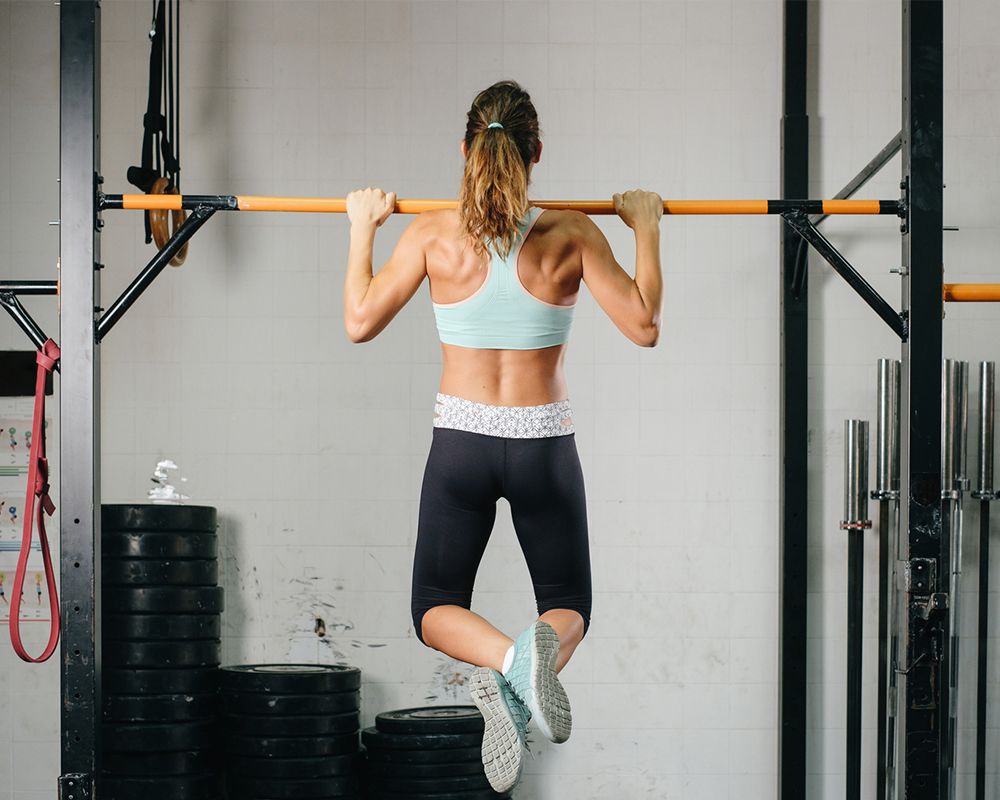
There is a world of difference between simply doing a deadlift and performing one with perfect technique. A qualified coach provides the real-time feedback and cues needed to help you master the movement. This not only dramatically reduces your risk of injury but also ensures you are getting the intended stimulus from every single repetition. This focus on quality over quantity is what accelerates results and builds true, lasting strength.
Adaptation and Motivation
Life happens. Some days you walk into the gym feeling energised and ready to set a new personal record. Other days, you’re tired, stressed, and just getting through the door is a victory. A static plan on an app can't account for this, but a coach can. They can adapt the day's workout on the fly, pushing you when you’re capable and scaling back when you need it. They provide the accountability to keep you consistent and the motivation to push through when you feel like quitting.
Join Our Fitness Community Today
Stay updated with our latest tips, classes, and wellness insights by subscribing to our newsletter.

Fitness Tips, Strength Training & Nutrition Advice from Clonmel’s Top Gym
Explore expert-backed articles on training, fat loss, and fuelling your workouts — written by the coaching team at Inspire Health & Fitness, Clonmel’s leading strength and conditioning gym.
Why the Modern Fitness Industry Fails and How We Do It Differently in Clonmel

Why Midlife Feels So Overwhelming: Understanding Perimenopause, Hormones, and Stress

Strength Training Pain Explained: A Guide to Injury, Soreness, and Recovery
The 3 Pillars of Smarter Training for Lasting Fitness Results

Over-40s & The Unspoken Panic: Why You Must Lift Weights (It's Not For Looks)
The "Restart Every Monday" Cycle: Why Your Willpower Isn't the Problem
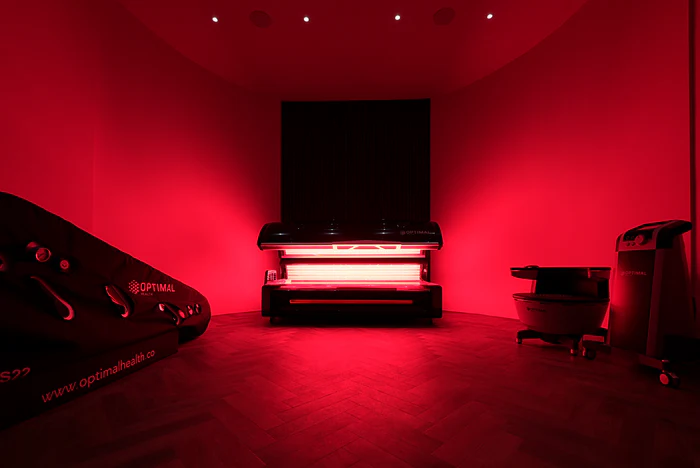
Infrared Therapy: Deep Warmth, Easier Movement, Better Sleep
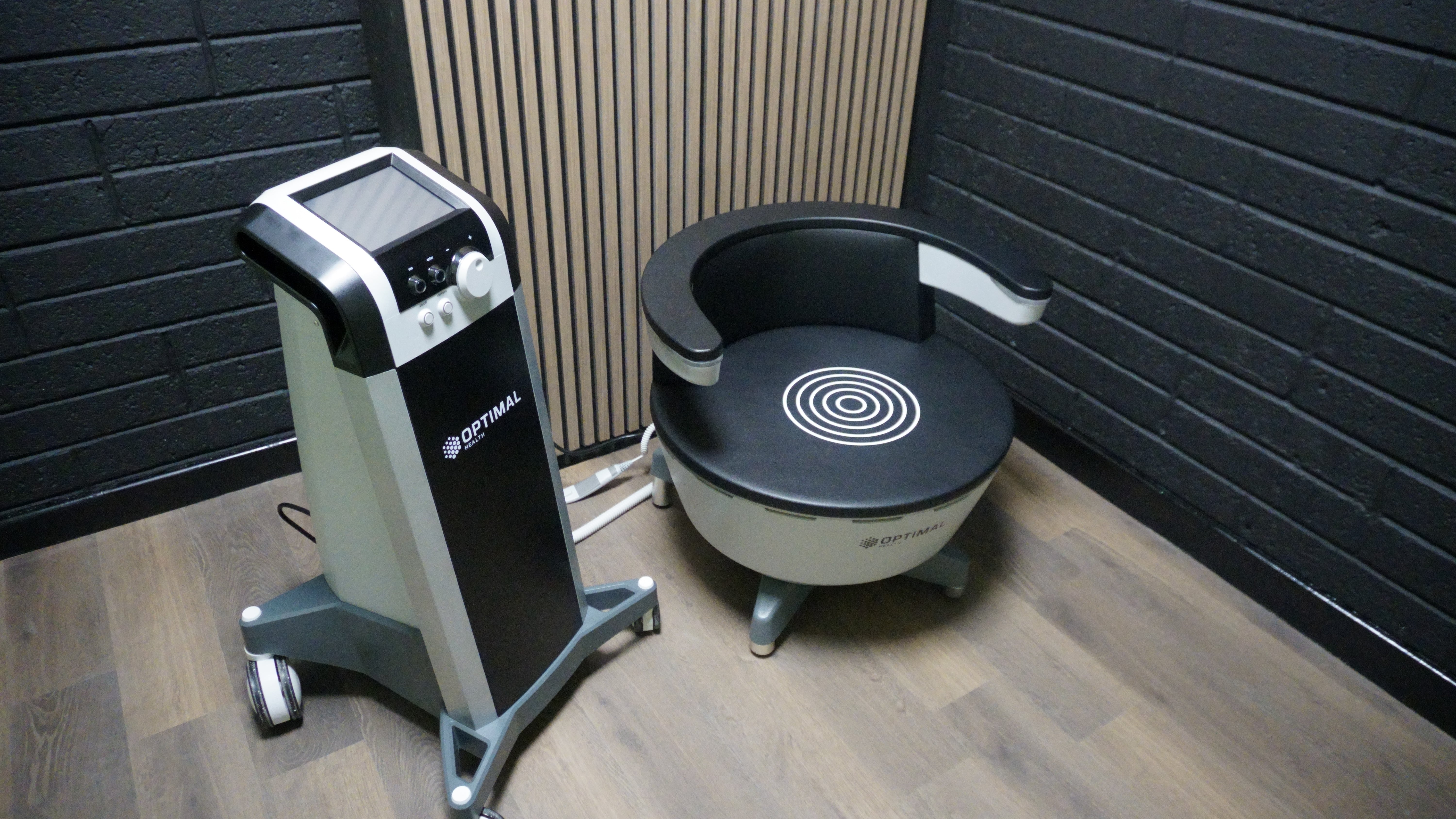
PEMF Therapy: A Simple Way to Loosen Up, Lift Energy, and Feel Better Day to Day
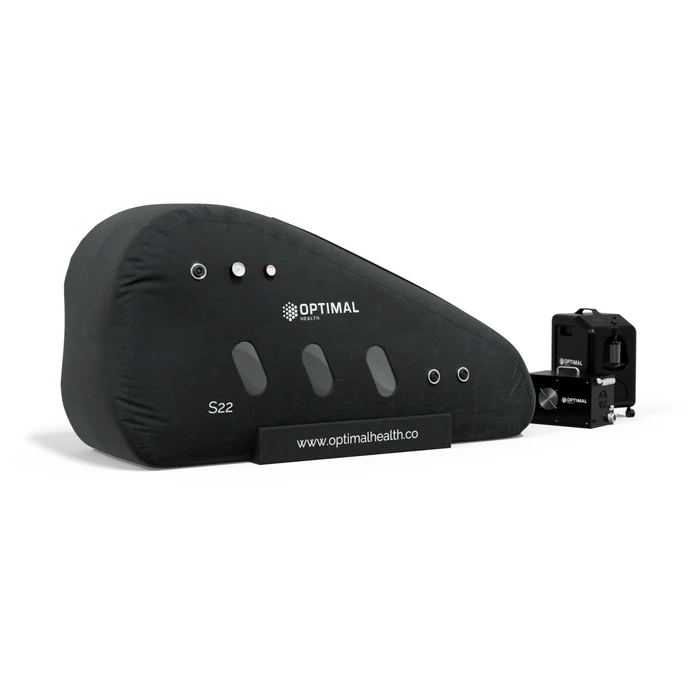
Hyperbaric Oxygen Therapy (HBOT): A Simple Way to Feel Clearer, Calmer, and More Energised

Top 5 Evidence-Based Supplements That Work | Inspire

Exactly What Happens in Our 8-Week Program (Weeks 1–8)
Strong Over 40: Strength, Hormones & Recovery | Inspire

How to Stay Consistent When Motivation Drops

Simple High-Protein Meals That Work for Busy People
What an InBody Scan Reveals About Your Progress (Beyond the Scales)
5 Ways to Break Through a Training Plateau
Why Small Group Personal Training Gets Better Results Than Classes or Going Solo
Menopause, Hormones & Strength: The Midlife Training Guide for Real Results

What to Eat Before the Gym: Fuel Your Workout for Maximum Results

The Top 5 Mistakes People Make When Trying to Get Fit (And How to Avoid Them)

How to Build (and Keep) a Fitness Routine When Life Gets Busy
No Time? No Problem: 5 Fast & Effective Workouts for Busy Lives
Best Fitness Classes in Clonmel: What’s the Right Fit for You?

Nutrition Tips from Clonmel Fitness Coach DJ O’Dwyer

Strength Training vs Cardio: What’s Best for Your Goal?
Stay Updated with Inspire
Subscribe to our blog for the latest posts, tips, and exclusive offers from Inspire.
