
Menopause, Hormones & Strength: The Midlife Training Guide for Real Results
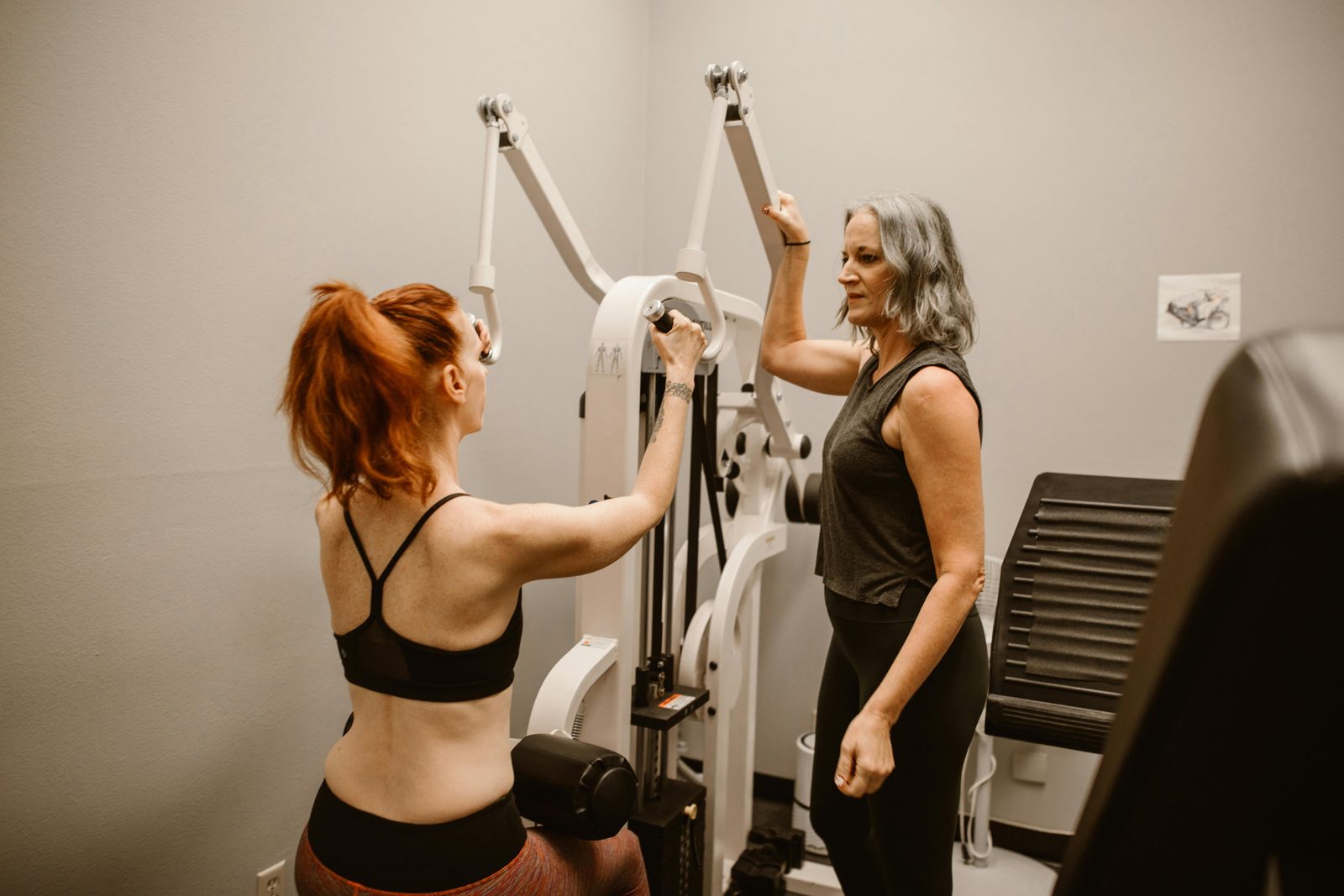
Menopause and the years leading up to it change how your body responds to exercise, nutrition, and recovery. The good news? With the right plan, you can keep (and even build) strength, protect your bones, and feel more like yourself—without living in the gym.
What’s Actually Changing (and Why It Matters)
Menopause doesn’t arrive overnight. Most women first enter perimenopause in their mid-to-late 40s, when oestrogen and progesterone fluctuate before declining; testosterone continues its slow drop. Menopause is medically “official” after 12 straight months without a period. Lower oestrogen and testosterone make it easier to lose muscle, store more fat (especially around the middle), and recover more slowly from training.
Quick takeaways
- Oestrogen supports lean muscle, bone density, and faster recovery; when it falls, fat distribution shifts toward the abdomen and metabolism slows.
- Testosterone (always lower in women) continues to decline, making muscle-building harder without targeted training.
Why Body Composition Feels “Different” Now
With less anabolic support from hormones, lean mass naturally declines and resting calorie burn drops; visceral (deep abdominal) fat tends to rise. Left alone, strength and power decrease and everyday activities feel tougher.
Strength Training Is Non-Negotiable
Resistance training is the most effective tool to counter muscle loss, keep metabolism up, and improve bone health. Aim for:
- 2–3 full-body sessions/week
- 6–12 reps/set with genuinely challenging loads
- Progressive overload (add weight/reps or slow the tempo over time)
- Compound lifts: squats, deadlifts/hip hinges, presses, rows
- Laser focus on form and recovery
Translation: lift heavy for you, lift often, and progress on purpose.
A Simple 2-Day Strength Blueprint
Day A (Lower focus)
- Goblet or Back Squat 4×6–10
- Romanian Deadlift 3×8–12
- Split Squat 3×8–10/side
- Core: Carry or Plank 3×45–60s
Day B (Upper focus)
- Dumbbell or Barbell Press 4×6–10
- One-Arm Row 3×8–12/side
- Lat-Pulldown or Assisted Pull-up 3×6–10
- Hip-Hinge Power (KB Swing) 3×12–15
Add 10–20 minutes of low-impact conditioning (bike/rower/Incline walk) after, or on a separate day. Keep one easy “movement” day—walks, mobility, or yoga.
Cardio That Works With Your Hormones
- Zone-2 (easy-to-moderate, conversational pace) 2–3×/week supports heart and metabolic health without frying your recovery.
- Intervals 1×/week if you’re sleeping well and recovering—keep them short and crisp.
- Prioritise NEAT (non-exercise movement): steps, stairs, standing—these quietly drive fat loss.
Nutrition Targets That Make Training “Stick”
Strength training works best when paired with the right food:
- Protein: 1.2–1.5 g/kg bodyweight/day, split across 3–4 meals (e.g., 25–35 g/meal).
- Carbs: Choose whole-grain starches, fruit, and veg to fuel training and stabilise energy.
- Fats: Prioritise oily fish, nuts, seeds, olive oil—great for heart health and satiety.
- Hydration: Drink consistently; it supports performance and recovery.
- Limit added sugar and ultra-processed foods to help control fat gain and hormonal symptoms.
Around workouts
- 60–90 min pre-training: protein (20–30 g) + easy-to-digest carbs (fruit, yogurt, oats).
- Post-training: repeat protein + carbs to kick-start muscle repair.
(Talk to your GP or dietitian if you have medical conditions or are considering supplements.)
Recovery: Where the Adaptation Happens
- Sleep is the biggest performance enhancer you’re not paying for. Protect 7–9 hours.
- Deload weeks every 4–6 weeks help joints and motivation.
- Hot flush management: cool the room, breathable layers, hydration, and pace intervals accordingly.
- Stress raises fatigue and cravings—short walks, breath work, and boundaries help.
Bone, Pelvic, and Joint Health
- Lifting and weight-bearing moves signal bones to stay strong. Add brief, appropriate power work (e.g., controlled kettlebell swings or low-impact hops) if joints tolerate it.
- If pelvic-floor symptoms (leaks/pressure) appear, get assessed by a pelvic-health physio; smart scaling keeps you lifting safely.
Common Pitfalls (and Easy Fixes)
- Random workouts: follow a simple plan and track loads.
- Too little protein: hit the daily target and front-load breakfast.
- Only cardio: swap two sessions for strength to change shape and metabolism.
- All-or-nothing: consistency beats perfection—aim for “B-plus” most days.
8-Week Quick-Start (Snapshot)
- Weeks 1–2: Learn the lifts; 2 sessions/week; walk daily.
- Weeks 3–4: Add a third session; nudge weights up 2–5%.
- Weeks 5–6: Keep progressing; add 1 short interval day if recovery is solid.
- Weeks 7–8: Hold volume, chase quality reps; deload if needed.
Bottom Line
Perimenopause is the starting point for changes that can reshape your body—not a full stop. With purposeful strength work, better fuel, and planned recovery, you can maintain or increase lean mass, keep body fat in check, and feel strong well into and beyond menopause.
At Inspire Health & Fitness (Clonmel) we design strength programs specifically for women in midlife—coached sessions, clear progressions, and nutrition support that fits real life. If you’re ready for a smarter plan, we’re ready to help.